
How to Choose the Right Cabinet Door Style for Your Home
February 5, 2026
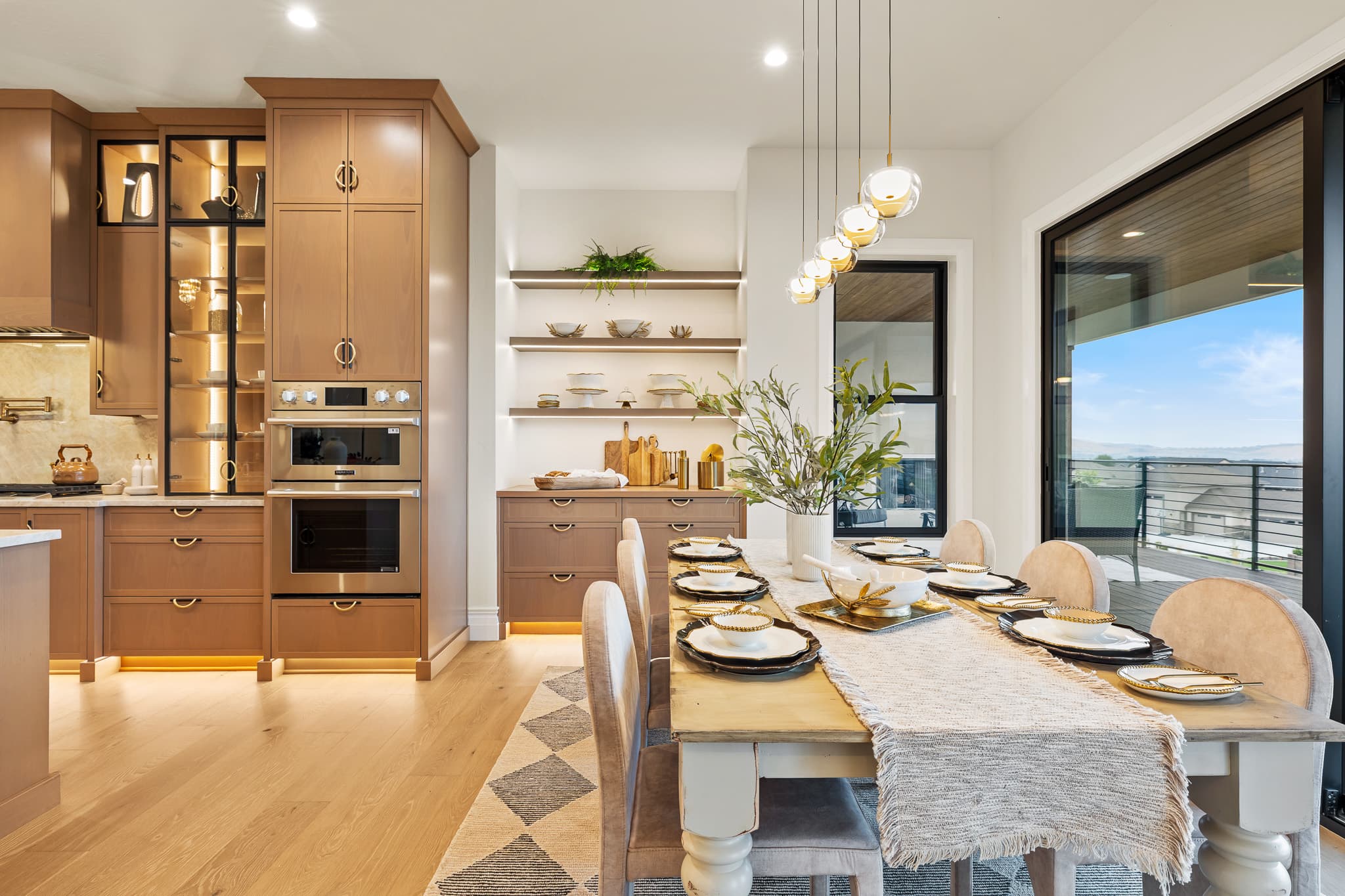
Door style is the single biggest factor in how your kitchen, vanity, or built-in will actually look and feel once it’s finished, more than paint color, more than hardware, more than countertop choice. It sets the tone for everything else. If you’re staring at a wall of options and not sure where to start, here’s how we walk clients through the decision.
Start With How the Room Is Used, Not Just How It Looks
Before style, think about function. A busy family kitchen, a quiet home office built-in, and a guest bathroom vanity all have different practical demands, cleaning frequency, finger-print visibility, how often little hands will be opening and closing doors. Style should serve the room, not just a Pinterest board.
The Core Door Styles
Shaker
The most requested style we build, and for good reason. A shaker door has a recessed center panel with a simple, flat frame, clean lines that work equally well in farmhouse, transitional, modern, and traditional homes. It’s timeless rather than trendy, which matters if you’re planning to stay in your home for a decade or more. Shaker doors also clean easily since there’s no ornate detail to trap dust or grime.
Slab (Flat-Panel)
A single flat piece with no frame or panel detail, the choice for a modern or minimalist look. Slab doors show fingerprints and smudges more noticeably (especially in darker or high-gloss finishes), so they tend to work best in lower-traffic cabinetry or homes without young kids, though a matte finish helps significantly.
Raised Panel
A more traditional, formal look with a panel that’s raised (rather than recessed) in the center, often with decorative edge profiles. This style reads as classic and detailed, a strong choice for traditional or craftsman-style homes, though it’s less common in newer builds trending toward simpler lines.
Glass-Front
Not a standalone style so much as an option layered onto shaker, slab, or raised-panel framing, a glass insert replaces the center panel, letting you display dishware, glassware, or decor. We often recommend this for a few cabinets in an otherwise solid-door kitchen (like we built into a recent project’s dining nook) rather than the whole run, since it requires keeping the contents genuinely presentable.
Matching Door Style to Your Home’s Architecture
- Farmhouse or country home: shaker or beadboard-panel doors, often in a painted finish
- Modern or contemporary home: slab doors, minimal hardware, flat-grain wood or matte finishes
- Craftsman or traditional home: raised panel or shaker with furniture-style detailing
- Transitional (a blend of styles): shaker is almost always the safe, versatile answer
Don’t Forget Overlay Style
Door style gets most of the attention, but overlay, how the doors sit relative to the cabinet frame, changes the look just as much.
- Full overlay: doors cover almost the entire cabinet face with minimal gaps, giving a clean, modern, seamless look regardless of door style
- Partial overlay: doors cover most but not all of the face frame, showing a bit more of the wood frame between doors, a more traditional look
- Inset: doors sit flush within the frame rather than in front of it, a premium, furniture-grade look that requires very precise construction
We build full overlay most often because it maximizes interior storage space and gives the cleanest modern appearance, but inset is a beautiful option for clients wanting a true custom, high-end look.
A Practical Way to Decide
If you’re stuck, here’s the exercise we actually walk clients through:
- Pull 5-10 photos of kitchens, vanities, or built-ins you’re drawn to (Pinterest, Instagram, magazines, doesn’t matter where)
- Notice what repeats across them, is it clean lines, ornate detail, dark colors, light colors?
- Bring those photos to your consultation. We can usually spot the pattern even if you can’t name it yourself, and translate it into a door style, overlay, and finish recommendation.
Ready to talk through your project?
Book a Design Consultation